
Nader PXT Station Control Unit: Redefining Power Distribution Management through “7T” Digital Intelligence and Collaborative Insight
By:Nader Updated:March 11,2026 18:46PM
In the deep phase of digital transformation, power distribution management is no longer limited to basic equipment monitoring. Instead, it is evolving into a comprehensive transformation driven by data, interaction, and operational efficiency.
The PXT Station Control Unit launched by Nader stands at the forefront of this transformation. It is not a single-function device, but an intelligent control hub built on an innovative “7T” value framework, designed to fundamentally reshape the experience and operational paradigm of power distribution management.
From electrical parameters such as current, voltage, and temperature, to the open/close status of circuit breakers, all critical data are seamlessly mapped between the physical and virtual worlds. This provides an unprecedented data foundation for accurate and informed decision-making.

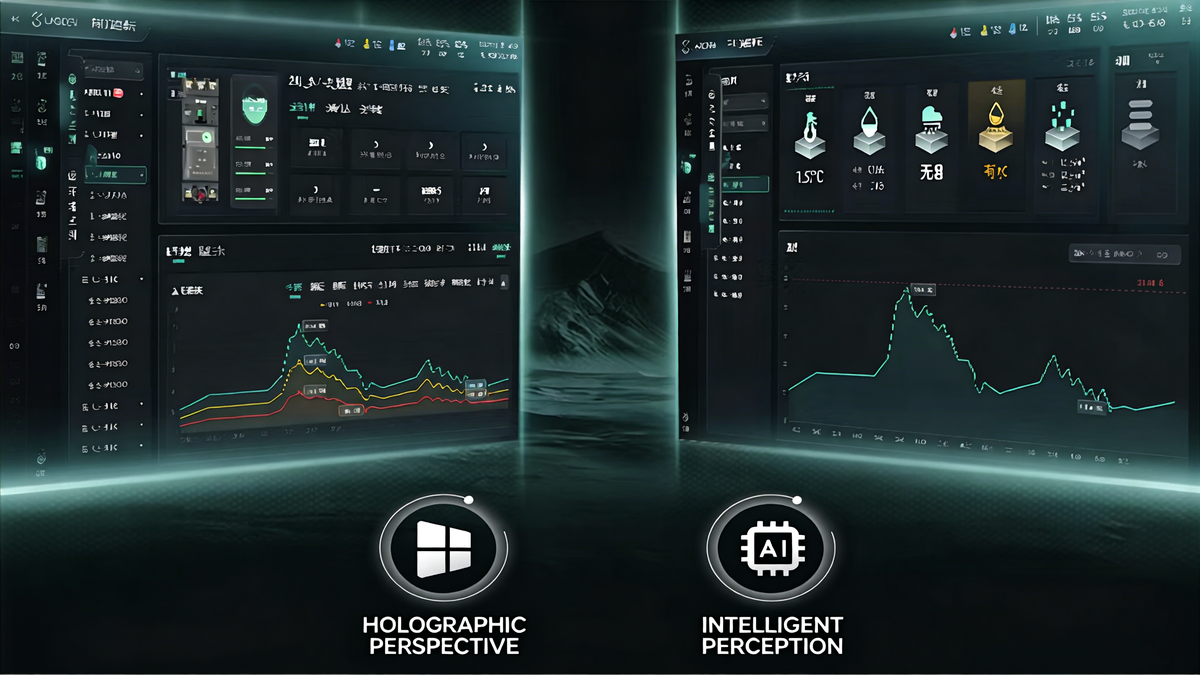
By contrast, PXT continuously monitors abnormal equipment trends and environmental risks while automatically recording all state changes. The system no longer passively waits for commands—it actively analyzes conditions, issues early warnings, and enables maintenance teams to intervene before failures occur. This shift from reactive “firefighting” to proactive “fire prevention” significantly enhances power supply reliability.

This approach lowers the learning curve, reduces the risk of operational errors, and enables maintenance personnel to quickly identify issues and execute tasks with greater efficiency.

Beyond improving immediate efficiency, this knowledge platform empowers teams through continuous learning and experience accumulation, supporting long-term capability development.

This is not merely an accumulation of product features, but the introduction of a new paradigm in power distribution management—one that is safer, more efficient, more intelligent, and more human-centric.
By transforming power distribution systems from cold, isolated equipment into intelligent partners that collaborate seamlessly with maintenance teams, the PXT truly safeguards the safe and efficient delivery of every kilowatt-hour, providing reliable support for stable operations across industries.
The PXT Station Control Unit launched by Nader stands at the forefront of this transformation. It is not a single-function device, but an intelligent control hub built on an innovative “7T” value framework, designed to fundamentally reshape the experience and operational paradigm of power distribution management.
I. Core Drivers: A Technological Leap from “Digital Mapping” to “Proactive Intelligence”
The intelligence of the Nader PXT is founded on two key technological pillars: Digital Twin technology and proactive operation and maintenance.• Digital Twin: Building a Precise Virtual Mirror
Through digital twin technology, the PXT Station Control Unit creates a real-time, synchronized virtual counterpart of physical power distribution equipment. This enables maintenance personnel to move beyond experience-based assumptions and instead gain a comprehensive, visualized overview of the system’s real-time operating conditions.From electrical parameters such as current, voltage, and temperature, to the open/close status of circuit breakers, all critical data are seamlessly mapped between the physical and virtual worlds. This provides an unprecedented data foundation for accurate and informed decision-making.
• Linux System: Establishing a Secure and Stable Foundation
In a data-driven era, security is the prerequisite for intelligence. The PXT Station Control Unit is built on a professional Linux operating system, offering inherent stability and robust security. This ensures the integrity of large volumes of operational data and critical commands during transmission and storage, effectively protecting the system against external threats and safeguarding reliable operation.• From “Passive Response” to “Proactive Intervention”
This represents the most fundamental transformation brought by the PXT Station Control Unit. Traditional maintenance models often respond only after faults occur, resulting in extended outages and increased losses.By contrast, PXT continuously monitors abnormal equipment trends and environmental risks while automatically recording all state changes. The system no longer passively waits for commands—it actively analyzes conditions, issues early warnings, and enables maintenance teams to intervene before failures occur. This shift from reactive “firefighting” to proactive “fire prevention” significantly enhances power supply reliability.
II. Experience Innovation: Minimalist Interaction and Knowledge Empowerment
Advanced technology must ultimately translate into tangible operational convenience. The PXT Station Control Unit delivers significant improvements in both human–machine interaction and knowledge support.• Touch Interface Design: Simplifying Complexity through Visual Clarity
Facing the inherent complexity of power distribution systems, PXT adopts a minimalist interaction logic combined with skeuomorphic visual design. Key information is carefully distilled and presented at a glance, while complex operations are transformed into clear, step-by-step workflows.This approach lowers the learning curve, reduces the risk of operational errors, and enables maintenance personnel to quickly identify issues and execute tasks with greater efficiency.
• Knowledge Repository: A Portable Expert Advisor
The effectiveness of power distribution maintenance is closely tied to personnel expertise. The built-in knowledge base of PXT functions as a 24/7 on-demand expert, covering equipment manuals, operating procedures, and fault diagnosis guides. With keyword-based search capabilities, users can quickly access solutions when encountering unfamiliar issues on-site.Beyond improving immediate efficiency, this knowledge platform empowers teams through continuous learning and experience accumulation, supporting long-term capability development.
III. Value Outlook: Simplifying Complexity to Safeguard Every Kilowatt-Hour
The ultimate objective of the Nader PXT Station Control Unit is to simplify power distribution management. Through a localized light-intelligence solution, it integrates advanced digital technologies, human-centered interaction design, and a structured knowledge system into a unified, collaborative ecosystem.This is not merely an accumulation of product features, but the introduction of a new paradigm in power distribution management—one that is safer, more efficient, more intelligent, and more human-centric.
By transforming power distribution systems from cold, isolated equipment into intelligent partners that collaborate seamlessly with maintenance teams, the PXT truly safeguards the safe and efficient delivery of every kilowatt-hour, providing reliable support for stable operations across industries.
Related


Factory Address:Pudong, Shanghai, China / Jiaxing, Zhejiang, China
Technical Support:+86-400-99-02706 Email:rfq@nader-circuit-breaker.com   |