
Nader Hangzhou Bay Super Factory Recognized as a “National Green Factory 2025”
By:Nader Updated:March 20,2026 17:54PM
Recently, the Ministry of Industry and Information Technology (MIIT) of China officially released the 2025 List of Green Factories and Green Industrial Parks.
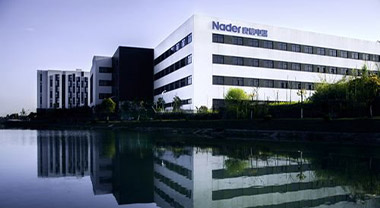
Nader's Hangzhou Bay Super Factory was successfully recognized as a National Green Factory, thanks to its outstanding practices and achievements in green manufacturing.
The title of National Green Factory represents benchmark facilities that achieve low-carbon energy use, efficient resource utilization, clean production processes, green products, and intensive land use. As a core unit of the manufacturing sector's green transformation, this recognition highlights Nader's commitment to integrating low-carbon and sustainability principles into its strategy and operations while advancing China's “dual-carbon” goals through its advanced manufacturing base.
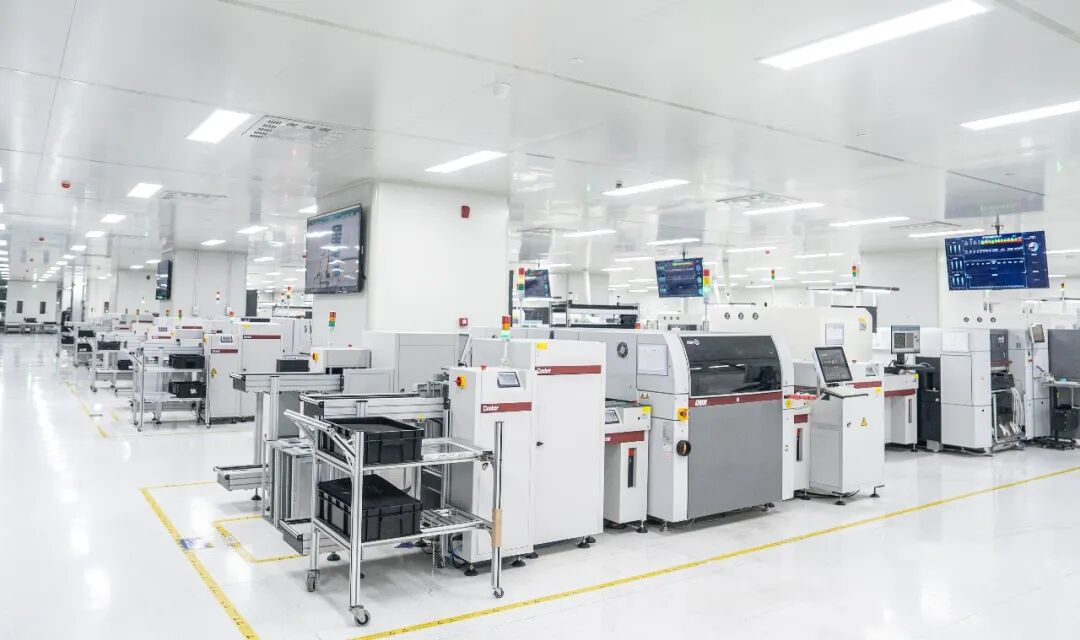
For example, the factory has introduced Germany's ASM high-precision SMT placement machines and Italy's OTS fully automated miniature circuit breaker production lines, both representing leading industry technologies that continuously enhance the factory's smart manufacturing capabilities.
At the same time, all general equipment—including transformers, air compressors, and chillers—uses Class-1 energy-efficiency equipment, and a Class-1 energy-efficient compressed air station has been established, significantly reducing energy consumption at the source.
Nader's Hangzhou Bay Super Factory was successfully recognized as a National Green Factory, thanks to its outstanding practices and achievements in green manufacturing.
The title of National Green Factory represents benchmark facilities that achieve low-carbon energy use, efficient resource utilization, clean production processes, green products, and intensive land use. As a core unit of the manufacturing sector's green transformation, this recognition highlights Nader's commitment to integrating low-carbon and sustainability principles into its strategy and operations while advancing China's “dual-carbon” goals through its advanced manufacturing base.
Smart Manufacturing and Green Production Lines
As the largest single-site low-voltage electrical manufacturing base in China, the Nader Hangzhou Bay Super Factory actively promotes equipment upgrades and widely adopts automated and intelligent production technologies.For example, the factory has introduced Germany's ASM high-precision SMT placement machines and Italy's OTS fully automated miniature circuit breaker production lines, both representing leading industry technologies that continuously enhance the factory's smart manufacturing capabilities.
At the same time, all general equipment—including transformers, air compressors, and chillers—uses Class-1 energy-efficiency equipment, and a Class-1 energy-efficient compressed air station has been established, significantly reducing energy consumption at the source.
Smart Energy Management for a Zero-Carbon Industrial Park
Nader has independently developed a smart energy management system that covers tens of thousands of energy-consuming devices across the facility. By leveraging digital twin technology, the system enables dynamic monitoring and optimization of energy consumption, improving overall energy utilization efficiency by 6.3%.
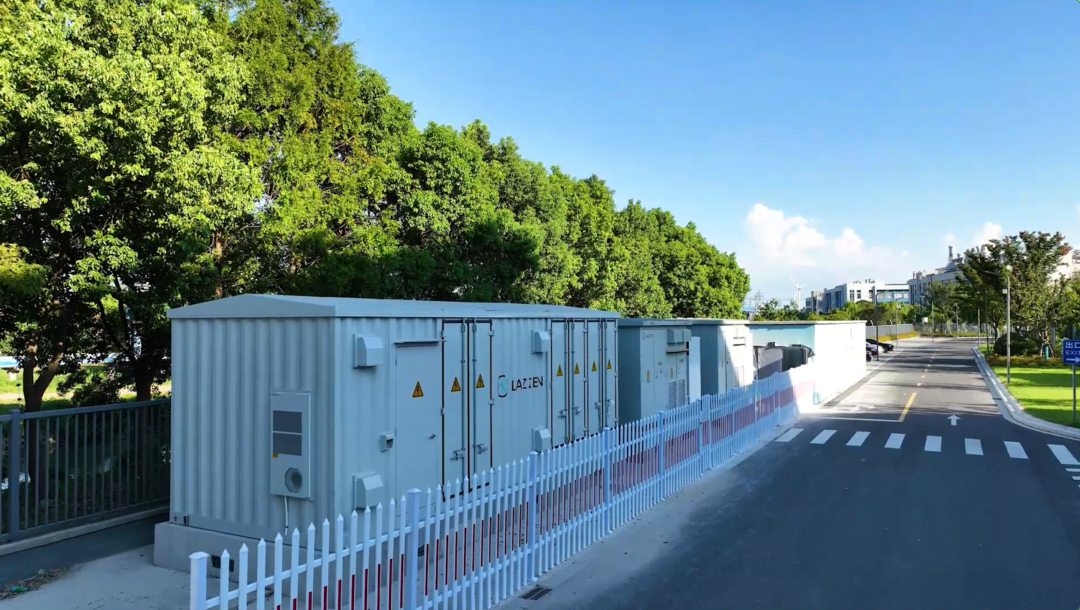
In terms of energy structure, the factory has actively built a green energy system. Rooftop solar installations have been deployed wherever possible across production buildings, with a total installed capacity of 4.695 MW.
In 2024, through the purchase of green electricity and green certificates, the factory achieved 100% renewable electricity for its production and operations.
In addition, the factory has implemented multiple energy-saving initiatives, including:Waste heat recovery from air compressors. Precise temperature and humidity control in electronic workshops. Over the past three years, the factory's carbon emission intensity has decreased by an average of 24.7% annually, far exceeding industry standards. The facility has also obtained Five-Star Certification under the Zero-Carbon Factory Standard.
In terms of energy structure, the factory has actively built a green energy system. Rooftop solar installations have been deployed wherever possible across production buildings, with a total installed capacity of 4.695 MW.
In 2024, through the purchase of green electricity and green certificates, the factory achieved 100% renewable electricity for its production and operations.
In addition, the factory has implemented multiple energy-saving initiatives, including:Waste heat recovery from air compressors. Precise temperature and humidity control in electronic workshops. Over the past three years, the factory's carbon emission intensity has decreased by an average of 24.7% annually, far exceeding industry standards. The facility has also obtained Five-Star Certification under the Zero-Carbon Factory Standard.
Implementing Green Product Design
Nader adheres to an eco-design philosophy throughout the entire product lifecycle.Through structural optimization and the use of new materials, products are designed to be lighter, modularized, platform-based, and low-carbon, reducing power consumption while improving overall performance.Most products have obtained CE certification in Europe and TÜV certification in Germany.
In addition, Nader has led the development of domestically controlled nuclear safety-grade low-voltage components, which are widely used in third-generation and fourth-generation nuclear power projects. These high-performance, low-carbon products support China's strategy for advanced equipment manufacturing and clean energy development.
Nader's products and solutions have also been successfully deployed in landmark projects, including:The world's largest single photovoltaic power station. China's largest single data center.
In addition, Nader has led the development of domestically controlled nuclear safety-grade low-voltage components, which are widely used in third-generation and fourth-generation nuclear power projects. These high-performance, low-carbon products support China's strategy for advanced equipment manufacturing and clean energy development.
Nader's products and solutions have also been successfully deployed in landmark projects, including:The world's largest single photovoltaic power station. China's largest single data center.
Building an Environmentally Friendly Factory
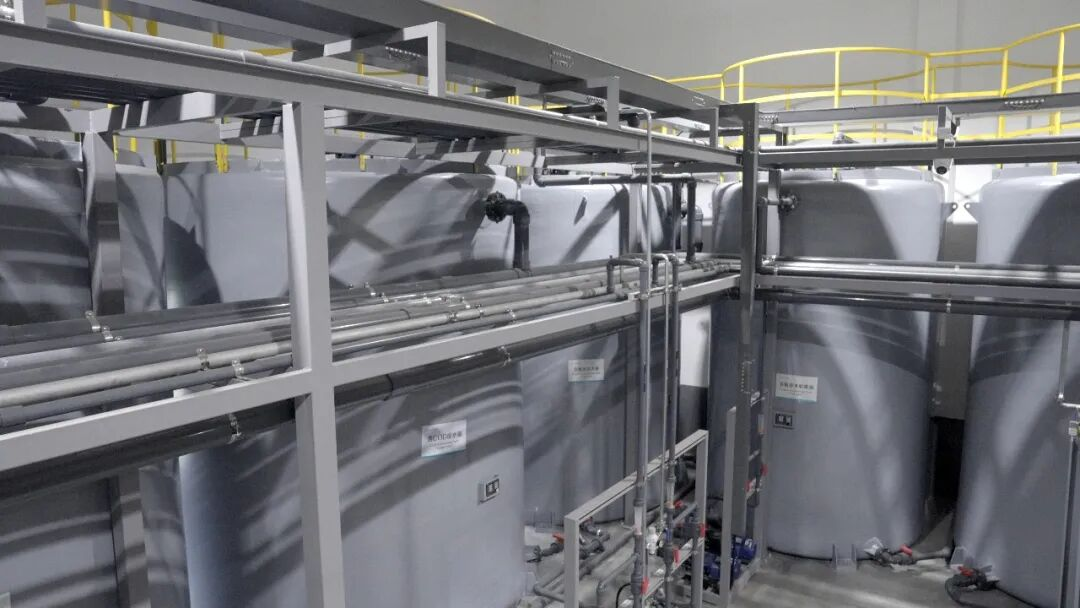
In terms of environmental management, the Nader Hangzhou Bay Super Factory has implemented comprehensive treatment systems for electroplating wastewater and various industrial exhaust emissions, including:Welding fumes. Coating exhaust gases. VOC emissions. Treatment technologies include: Microfiltration + reverse osmosis filtration. Ceramic molecular sieve adsorption with catalytic combustion. Alkaline spray scrubbing systems.All pollutant emissions are maintained well below the limits specified by national standards, including the Electroplating Pollutant Discharge Standards, ensuring fully compliant clean production practices. The factory has also been recognized as: “Zhejiang Provincial Water-Saving Enterprise” and “Jiaxing Zero-Waste Factory”.
Following its previous recognition as a Zhejiang Future Factory and a National Advanced Smart Factory, the designation as a National Green Factory once again affirms the achievements of the Hangzhou Bay Super Factory in integrating intelligent manufacturing with green development.
Looking ahead, the factory has planned and is currently building a “source-grid-load-storage integration” demonstration project, aiming to create a super factory for the low-voltage electrical industry that integrates lighthouse manufacturing, intelligent operations, and zero-carbon development. Through these efforts, Nader will continue contributing its expertise and innovation to the green transformation and high-quality development of the manufacturing industry.
Looking ahead, the factory has planned and is currently building a “source-grid-load-storage integration” demonstration project, aiming to create a super factory for the low-voltage electrical industry that integrates lighthouse manufacturing, intelligent operations, and zero-carbon development. Through these efforts, Nader will continue contributing its expertise and innovation to the green transformation and high-quality development of the manufacturing industry.
Related
Factory Address:Pudong, Shanghai, China / Jiaxing, Zhejiang, China
Technical Support:+86-400-99-02706 Email:rfq@nader-circuit-breaker.com   |