
Nader DC Technology: Solving the Arc Extinguishing Challenge, Redefining DC Electrical Solutions
By:Nader Updated:April 09,2026 16:46PM
Driven by the energy transition and digitalization, direct current (DC) power systems are increasingly prevalent in applications like photovoltaic (PV) energy storage, data centers, electric vehicle (EV) charging, and DC buildings. However, a fundamental difference between DC and traditional alternating current (AC) poses a significant challenge for safe application: DC lacks a natural zero-crossing point, making arcs extremely difficult to extinguish and placing unprecedented demands on the performance of protective electrical devices.
For a long time, DC system protection has faced two core pain points: First, "No Natural Zero-Crossing Point, Soaring Difficulty in Arc Extinguishing." DC arcs cannot extinguish naturally at current zero like AC arcs and must be forcibly interrupted. Second, "Full Current Range Coverage, Difficult to Handle Extreme Conditions." The system must handle the interruption of currents across the entire spectrum, from milliampere-level critical loads to kiloampere-level short-circuit currents. At low currents, arcs are difficult to generate and transfer, while at high currents, energy accumulation in the arc-extinguishing chamber easily causes re-striking.
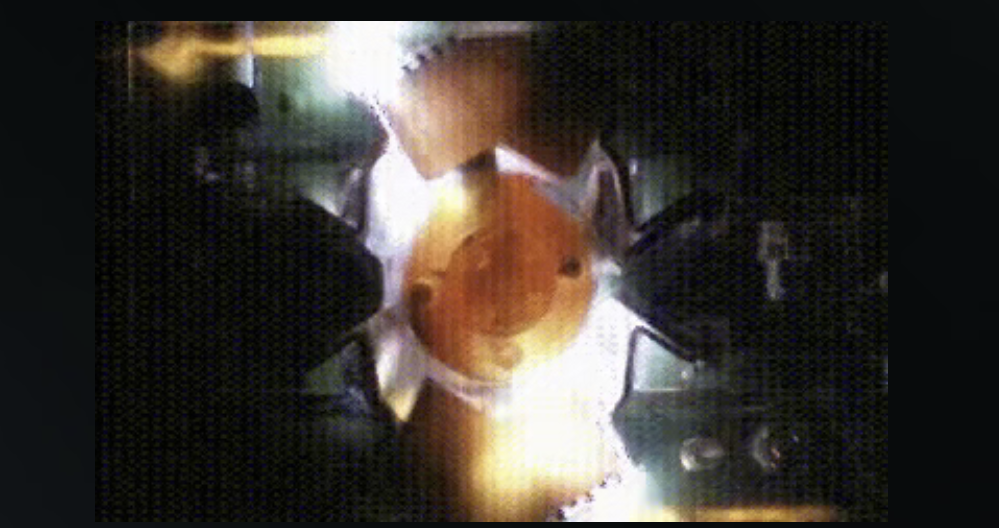
Confronting these industry challenges head-on, Nader leverages its profound expertise in electrical technology. Through systematic original technological innovation, we have successfully solved this world-class challenge, introducing a new DC electrical solution that lays a solid safety foundation for building highly reliable DC systems.
Three Core Technologies, Building a Safety Barrier for DC Interruption.
Three Core Technologies, Building a Safety Barrier for DC Interruption.
Our solution focuses on the precise control and efficient extinguishing of arcs, achieving breakthroughs in three key dimensions:
Contact Structure Optimization: Zoned Control, Precise Arc Extinguishing
We innovatively propose a "function separation, zoned collaboration" contact design philosophy. Through zoned functional design of the contacts and optimization of their actuation sequence, combined with narrow-slit arc extinguishing technology, we precisely control the generation, stretching, and transfer of the arc during interruption, significantly improving arc voltage and interruption reliability.
Arc Chute Arrangement Innovation: Magnetic Field Empowerment, Forced Arc Quenching
Based on in-depth electric and magnetic field simulation, we have redesigned the arc chute system. The multi-dimensional gradient cutting arrangement of arc plates intelligently adapts to different currents: lengthening the arc path for low currents and efficiently splitting the arc for high currents. The innovative U-shaped arc-guiding plates enhance the local magnetic field, driving the arc quickly into the arc chute. Simultaneously, we utilize the magnetic field gradient formed by the plate design to accelerate arc splitting and cooling, achieving efficient quenching even under DC conditions, similar to the "near-cathode effect" in AC.
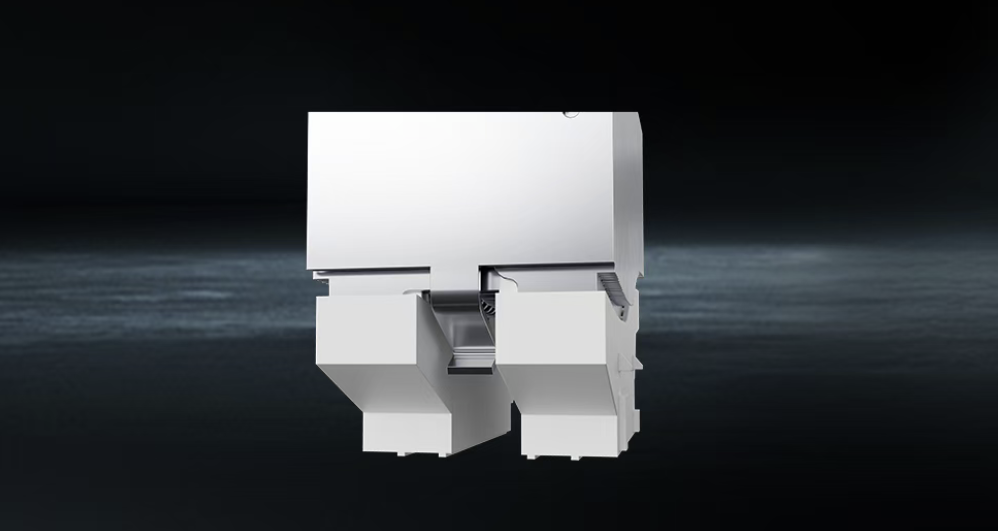
Gas Flow Path Optimization: Simulation-Driven, Efficient Energy Dissipation
The high-temperature, high-pressure gas generated during interruption is key to reliability. Using flow field simulation technology, we have systematically optimized the air passage and vents of the arc-extinguishing chamber, ensuring that arc plasma and hot gases are expelled rapidly and smoothly. This prevents excessive pressure and temperature inside the chamber, thereby greatly improving interruption success rates and product lifespan.
Empowering Diverse Applications, Driving an Efficiency Revolution and Industry Upgrade
This solution covers core scenarios such as new energy power generation, energy storage, data centers, EV charging piles, telecommunications, and DC buildings, delivering significant value to customers:
-
Improves System Efficiency: For DC loads like data centers and LED lighting, adopting DC distribution eliminates the AC/DC conversion stage, increasing overall system efficiency by 5%-15%.
-
Reduces System Costs: In PV and energy storage, a DC bus architecture can reduce power conversion stages by 3, lowering system costs by approximately 20%. Upgrading the voltage level from DC1500V to DC2000V can reduce line loss by 20%, increase system efficiency by 2%, decrease the number of devices and cable usage, and simplify maintenance.
-
Supports Cutting-Edge Applications: Our technology is perfectly compatible with 800V high-voltage DC platforms, enabling 15-minute ultra-fast charging for electric vehicles (400kW power) and supporting high-efficiency (up to 97%) direct-drive architectures like battery-to-motor.
Complete Product Portfolio, Providing Precise and Reliable Hardware Support
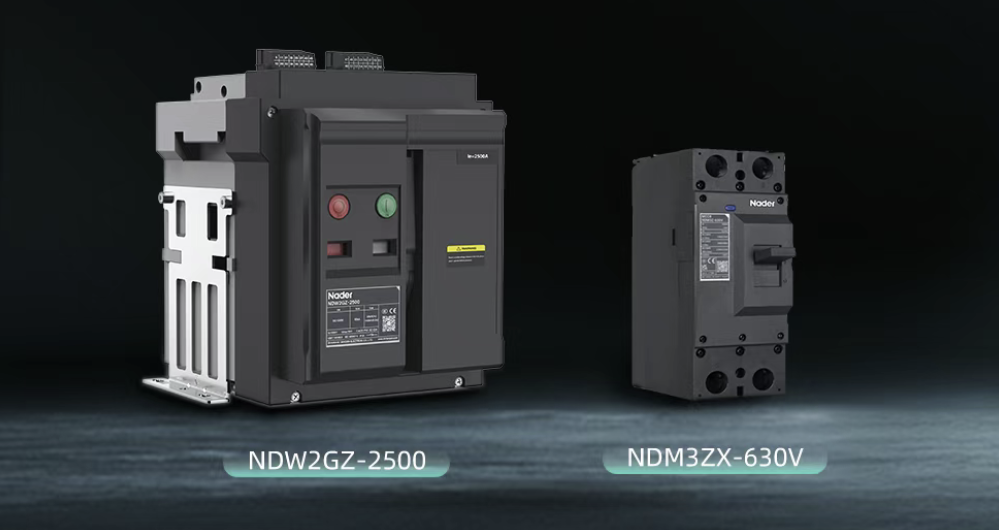
Based on the core technology platform above, Nader has developed a comprehensive DC circuit breaker product portfolio covering various voltage levels and power requirements. We are committed to providing "precise matching, stable, and reliable" hardware support for all DC application scenarios, from low voltage to medium voltage. With leading DC protection technology, we are building a robust safety barrier for power usage across all scenarios, partnering with industry collaborators to drive a profound transformation in energy utilization.
Related



Factory Address:Pudong, Shanghai, China / Jiaxing, Zhejiang, China
Technical Support:+86-400-99-02706 Email:rfq@nader-circuit-breaker.com   |